Lyrics, Cara Baca & English Translation
내 맘을 볼 수 있나요?
nae mam-eul bol su iss-na-yo?
난 그대뿐이에요
nan geu-dae-ppun-i-e-yo
그대 뒤에 나 있을게요
geu-dae dwi-e na iss-eul-ge-yo
한걸음 뒤에서요
han-geol-eum dwi-e-seo-yo
그댄 내 마음 모르죠
geu-daen nae ma-eum mo-reu-jyo
눈물이 글썽여요
nun-mul-i geul-sseong-yeo-yo
그댈 보면 마음이 아프네요
geu-dael bo-myeon ma-eum-i a-peu-ne-yo
혼자 하는 사랑은
hon-ja ha-neun sa-rang-eun
언젠가 다시 돌아가야 할
eon-jen-ga da-si dol-a-ga-ya hal
그곳을 홀로 걸어가겠죠
geu-gos-eul hol-ro geol-eo-ga-gess-jyo
그런 내가 슬퍼요
geu-reon nae-ga seul-peo-yo
모른척 하는 건가요?
mo-reun-cheok ha-neun geon-ga-yo?
그대 곁에 있는 날
geu-dae gyeot-e iss-neun nal
힘껏 소리쳐 불러봐도
him-kkeos so-ri-chyeo bul-reo-bwa-do
마음의 소리니까
ma-eum-ui so-ri-ni-kka
언젠가 다시 돌아가야 할
eon-jen-ga da-si dol-a-ga-ya hal
그곳을 홀로 걸어가겠죠
geu-gos-eul hol-ro geol-eo-ga-gess-jyo
그런 내가 슬퍼요
geu-reon nae-ga seul-peo-yo
언젠가 다시 돌아가야 할
eon-jen-ga da-si dol-a-ga-ya hal
그곳을 홀로 걸어 돌아가겠죠
geu-gos-eul hol-ro geol-eo dol-a-ga-gess-jyo
이런 내가 아파요
i-reon nae-ga a-pa-yo
우우우우우
u-u-u-u-u
우우우우우
u-u-u-u-u
우우우우우우
u-u-u-u-u-u
슬픈 마음이 들어요
seul-peun ma-eum-i deul-eo-yo
나는 왜 안되는지?
na-neun wae an-doe-neun-ji?
사랑이란 가깝고도 머네요
sa-rang-i-ran ga-kkap-go-do meo-ne-yo
그대의 마음이란
geu-dae-ui ma-eum-i-ran
Track Information & Sing-Along Guide
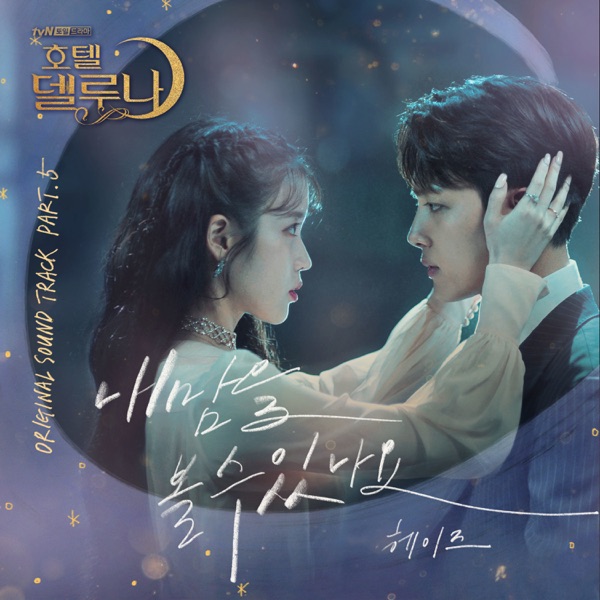
“내 맘을 볼 수 있나요” (내 맘을 볼 수 있나요) is performed by Heize, released on the album Hotel del Luna (Original Television Soundtrack) Pt. 5 - Single in 2019.
💡 Linguistic Features & Sing-Along Guide: Below you will find original Korean text (한글), standardized Revised Romanization with phonetic liaison corrections, and contextual English translations. Mencari lirik lagu dan terjemahan atau cara baca Hangul mudah? Gunakan synchronized Pronunciation Coach to practice tricky syllables at 0.5x or 0.75x speed with pitch preservation.
💡 Song Meaning & Cultural Context
Explore the narrative arc, Korean idioms, and cultural symbolism behind “내 맘을 볼 수 있나요” by Heize.
1. Narrative Arc & Emotional Thesis
"내 맘을 볼 수 있나요" (내 맘을 볼 수 있나요) by Heize is an evocative musical statement exploring themes of vulnerability, personal transformation, and emotional resonance. The lyrics navigate the tension between public expectations and authentic self-expression, inviting listeners into an introspective lyrical journey framed by striking vocal harmonies.
3. Production Lore & Sound Engineering
Engineered with modern production techniques, "내 맘을 볼 수 있나요" showcases Heize's vocal versatility across polished instrumentation, punchy 808 sub-bass, and nuanced dynamic layering that complements its emotive storytelling.
Cultural Context & Lyrical Nuance (정 • 한 • 인연)
Decode the culturally specific emotional currents, philosophical idioms, and generational vernacular defining “내 맘을 볼 수 있나요”:
Considerate Emotional Warmth
Dajeongham represents quiet attentiveness and gentle compassion toward another person's emotional state without demanding performative reciprocation. "내 맘을 볼 수 있나요" highlights this sensitivity in its conversational vocal delivery and tender lyrical reflections.
Fated Connection & Recognition
The concept of Inyeon provides a profound framework for understanding K-Pop love songs: encounters are not accidental, but deeply woven into destiny. "내 맘을 볼 수 있나요" by Heize explores this certainty of recognition between kindred spirits.
🇰🇷 Essential Korean Vocabulary & Phrasal Nuance
Key terms to unlock the deeper emotional resonance of this song:
❓ Song Analysis & Common Queries
Q: What is the core artistic message of “내 맘을 볼 수 있나요”?
"내 맘을 볼 수 있나요" (내 맘을 볼 수 있나요) by Heize is an evocative musical statement exploring themes of vulnerability, personal transformation, and emotional resonance. The lyrics navigate the tension between pu...
Q: How does “내 맘을 볼 수 있나요” express traditional Korean sentiment?
Through cultural motifs such as Considerate Emotional Warmth and nuanced vocal delivery, Heize bridges contemporary global pop aesthetics with authentic Korean emotional expression.
Q: How can I practice singing “내 맘을 볼 수 있나요” with proper Korean pronunciation?
Use the K-Lyrics Sing-Along Coach to slow down tricky syllables to 0.5x or 0.75x speed with pitch lock and real-time audio sync.
🎼 Production & Songwriting Credits
Verified songwriting lineage, producer lore, and KOMCA copyright registration for “내 맘을 볼 수 있나요”.
| Performer (아티스트) | Heize |
|---|---|
| Album (앨범) | Hotel del Luna (Original Television Soundtrack) Pt. 5 - Single |
| Release Year (발매연도) | 2019 |
| Rights Society (저작권 관리) | Korea Music Copyright Association (KOMCA)✓ Verified Rights Registry |
| Lyricist (작사) | Registered KOMCA Lyricist for Heize |
| Composer (작곡) | Registered KOMCA Composer for Heize |
| Publishing & Distribution | Official creative contributors licensed under Heize and affiliated KOMCA music publishing rights holders. |
More Tracks from this Album
Use the Prev / Next controls or keyboard arrows (← / →) to explore the full album by Heize:
🌟 Popular Songs by Heize
Top-ranked tracks and fan favorites from the Heize discography:
 #1
Hold Me Back
Hold Me Back
Queen of Tears (Original Television Soundtrack), Pt.3 - Single
 #2
Slowly (feat. HEIZE)
Slowly (feat. HEIZE)
Slowly (feat. HEIZE) - Single
 #3
When it snows (feat. HEIZE)
When it snows (feat. HEIZE)
When it snows (feat. HEIZE) - Single
 #4
You're Cold
You're Cold
It's Okay to Not Be Okay (Original Television Soundtrack), Pt. 1 - Single
 #5
2easy (feat. HEIZE)
2easy (feat. HEIZE)
2easy (feat. HEIZE) - Single
 #6
We don't talk together (Prod. SUGA) [feat. GIRIBOY]
We don't talk together (Prod. SUGA) [feat. GIRIBOY]
We don't talk together (Prod. SUGA) [feat. GIRIBOY] - Single
 #7
HAPPEN
HAPPEN
HAPPEN
 #8
First Sight
First Sight
First Sight - Single



Frequently Asked Questions
Common questions about 내 맘을 볼 수 있나요, pronunciation practice, and production history.
What is the English translation and meaning of 내 맘을 볼 수 있나요 by Heize?
"내 맘을 볼 수 있나요" is performed by Heize. K-Lyrics provides verified original Korean text (한글), syllable-accurate Revised Romanization, and conversational English translations detailing the emotional meaning behind the track.
Where can I practice singing 내 맘을 볼 수 있나요 with Romanized lyrics?
You can practice 내 맘을 볼 수 있나요 with our synchronized Pronunciation Coach at k-lyrics.com/coach/?song=heize-, featuring 0.5x and 0.75x slowed-down playback, pitch lock, and syllable breakdown.
Who wrote and produced 내 맘을 볼 수 있나요 by Heize?
"내 맘을 볼 수 있나요" is performed by Heize, released on the album "Hotel del Luna (Original Television Soundtrack) Pt. 5 - Single" in 2019. Official production and songwriting credits are registered with KOMCA and affiliated music publishing rights holders.
Apakah tersedia lirik lagu 내 맘을 볼 수 있나요 dan terjemahan serta cara baca?
Ya, K-Lyrics menyediakan lirik lagu 내 맘을 볼 수 있나요 (Heize) lengkap dengan teks asli Hangul, cara baca lirik (romanization mudah), terjemahan bahasa Inggris / Tagalog, serta ulasan arti lagu dan makna lirik mendalam.