
Track Information & Sing-Along Guide
“1, 2, 3, 4” (1, 2, 3, 4) is performed by Lee Hi, released on the album First Love in 2012.
💡 Linguistic Features: Below you will find original Korean text (한글), standardized Revised Romanization with phonetic liaison corrections, and contextual English translations. Practice singing along with our synchronized Pronunciation Coach to slow down tricky syllables to 0.5x or 0.75x speed with pitch preservation.
Lyrics, Romanization & English Translation
Hey
C'mon now
I said 1 2 3
아직도 내가 니 거라는
a-jik-do nae-ga ni geo-ra-neun
착각은 그만
chak-gak-eun geu-man
예전의 그때 내가 아냐
ye-jeon-ui geu-ttae nae-ga a-nya
아침이 밝는 소리에
a-chim-i bal-neun so-ri-e
꽃은 저만치 폈는데
kkot-eun jeo-man-chi pyeoss-neun-de
여전히 정신 못 차려 왜
yeo-jeon-hi jeong-sin mos cha-ryeo wae
I'm sick and tired 너의 위선에
I'm sick and tired neo-ui wi-seon-e
어설픈 liar ooh 이제 좀 꺼져줄래
eo-seol-peun liar ooh i-je jom kkeo-jyeo-jul-rae
I think I'm going going crazy ooh
I think I'm going going crazy ooh
더 비참하게 굴지는 마
deo bi-cham-ha-ge gul-ji-neun ma
사라져줘 저 멀리
sa-ra-jyeo-jwo jeo meol-ri
No no Nananananana
구차하게 울지는 마
gu-cha-ha-ge ul-ji-neun ma
다 잊어줘 영원히 no no
da it-eo-jwo yeong-won-hi no no
Listen
남 걱정하지 말고
nam geok-jeong-ha-ji mal-go
너나 잘 해 니 그런
neo-na jal hae ni geu-reon
동정 따윈 필요 없어 uh
dong-jeong tta-win pil-yo eop-eo uh
I said 1 and 2 and 3 4 ooh
시간이 모든걸 해결할거야
si-gan-i mo-deun-geol hae-gyeol-hal-geo-ya
1 and 2 and 3 4 ooh
Game over game over ooh
Game over
나 같은 여자 어딜 가도
na gat-eun yeo-ja eo-dil ga-do
눈 씻고 봐도 보기 드무네
nun ssis-go bwa-do bo-gi deu-mu-ne
때로는 섹시 때론 청순함에
ttae-ro-neun sek-si ttae-ron cheong-sun-ham-e
남자들은 울고 가네 유치하게
nam-ja-deul-eun ul-go ga-ne yu-chi-ha-ge
I'm sick and tired 너의 위선에
I'm sick and tired neo-ui wi-seon-e
어설픈 liar ooh 제발 좀 꺼져줄래
eo-seol-peun liar ooh je-bal jom kkeo-jyeo-jul-rae
I think I'm going going crazy ooh
I think I'm going going crazy ooh
더 비참하게 굴지는 마
deo bi-cham-ha-ge gul-ji-neun ma
사라져줘 저 멀리
sa-ra-jyeo-jwo jeo meol-ri
No no Nananananana
구차하게 울지는 마
gu-cha-ha-ge ul-ji-neun ma
다 잊어줘 영원히 no no
da it-eo-jwo yeong-won-hi no no
Listen
남 걱정하지 말고
nam geok-jeong-ha-ji mal-go
너나 잘 해 니 그런
neo-na jal hae ni geu-reon
동정 따윈 필요 없어 uh
dong-jeong tta-win pil-yo eop-eo uh
I said 1 and 2 and 3 4 ooh
시간이 모든걸 해결할거야
si-gan-i mo-deun-geol hae-gyeol-hal-geo-ya
1 and 2 and 3 4 ooh
Game over game over ooh
Game over
너무나 아파
neo-mu-na a-pa
벌써 잊었나 봐
beol-sseo it-eoss-na bwa
Hey baby
떠나가줘
tteo-na-ga-jwo
I said 1 and 2 and 3 4 ooh
시간이 모든걸 해결할거야
si-gan-i mo-deun-geol hae-gyeol-hal-geo-ya
1 and 2 and 3 4 ooh
Game over game over ooh
Game over
1 and 2 and 3 4
1 and 2 and 3 4
1 and 2 and 3 4
Game over
Game over
Game over
💡 Song Meaning & Cultural Context
Explore the narrative depth, Korean idioms, and cultural symbolism behind “1, 2, 3, 4” by Lee Hi.
1. Narrative Arc & Emotional Core
"1, 2, 3, 4" (1, 2, 3, 4) by Lee Hi is a standout track blending emotive storytelling with compelling musicality. The lyrics explore intimate themes of connection, emotional vulnerability, and personal growth, capturing the nuanced dynamics of modern relationships and youthful passion.
3. Songwriting Context & Production
Crafted with refined arrangement techniques, "1, 2, 3, 4" highlights Lee Hi's dynamic vocal range across textured instrumentation and modern beat drops.
🇰🇷 Key Korean Vocabulary & Phrasal Nuance
Essential words to understand the deeper emotional resonance of this song:
❓ Frequently Asked Questions
Q: What is the main message of “1, 2, 3, 4”?
"1, 2, 3, 4" (1, 2, 3, 4) by Lee Hi is a standout track blending emotive storytelling with compelling musicality. The lyrics explore intimate themes of connection, emotional vulner...
Q: How can I practice singing “1, 2, 3, 4” with proper Korean pronunciation?
Use the K-Lyrics Sing-Along Coach to slow down tricky syllables to 0.5x or 0.75x speed with pitch lock, loop fast verses, and practice real-time tongue placement.
🎼 Production & Songwriting Credits
Verified production lineage and creative contributors for “1, 2, 3, 4”.
| Performer (아티스트) | Lee Hi |
|---|---|
| Album (앨범) | First Love |
| Release Year (발매연도) | 2012 |
| Songwriting & Production | Official creative contributors licensed under Lee Hi and affiliated music publishing rights holders. |
More Tracks from this Album
Use the Prev / Next controls or keyboard arrows (← / →) to explore the full album:
🌟 Popular Songs by Lee Hi
Top-ranked tracks and fan favorites from the Lee Hi discography:
 #1
#1HOLO
HOLO
HOLO - Single
 #2
#2Yours (feat. LeeHi & CHANGMO)
Yours (feat. LeeHi & CHANGMO)
Yours (feat. LeeHi & CHANGMO) - Single
 #3
#3ONLY
ONLY
4 ONLY
#4H.S.K.T. (feat. Wonstein)
H.S.K.T. (feat. Wonstein)
4 ONLY
 #5
#5XI (feat. Lee Hi)
XI (feat. Lee Hi)
XI - Single
 #6
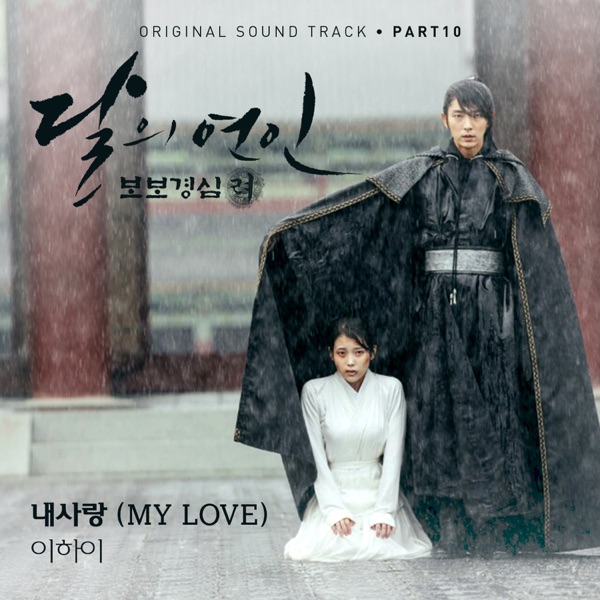
#6My Love
My Love
Moonlovers: Scarlet Heart Ryeo (Original Television Soundtrack), Pt. 10 - Single
#7Savior (feat. B.I)
Savior (feat. B.I)
4 ONLY
#8Safety Zone
Safety Zone
4 ONLY
Similar K-Pop Tracks You Might Like
Explore songs sharing sonic styles, release eras, and artistic vibes with “1, 2, 3, 4”.
Frequently Asked Questions
Common questions about 1, 2, 3, 4, pronunciation practice, and production history.
What is the English translation and meaning of 1, 2, 3, 4 by Lee Hi?
"1, 2, 3, 4" is performed by Lee Hi. K-Lyrics provides verified original Korean text (한글), syllable-accurate Revised Romanization, and conversational English translations detailing the emotional meaning behind the track.
Where can I practice singing 1, 2, 3, 4 with Romanized lyrics?
You can practice 1, 2, 3, 4 with our synchronized Pronunciation Coach at k-lyrics.com/coach/?song=leehi-1-2-3-4, featuring 0.5x and 0.75x slowed-down playback, pitch lock, and syllable breakdown.
Who wrote and produced 1, 2, 3, 4 by Lee Hi?
"1, 2, 3, 4" is performed by Lee Hi, released on the album "First Love" in 2012. Official production and songwriting credits are registered with KOMCA and affiliated music publishing rights holders.